Address
304 North Cardinal
St. Dorchester Center, MA 02124
Work Hours
Monday to Friday: 7AM - 7PM
Weekend: 10AM - 5PM
Address
304 North Cardinal
St. Dorchester Center, MA 02124
Work Hours
Monday to Friday: 7AM - 7PM
Weekend: 10AM - 5PM
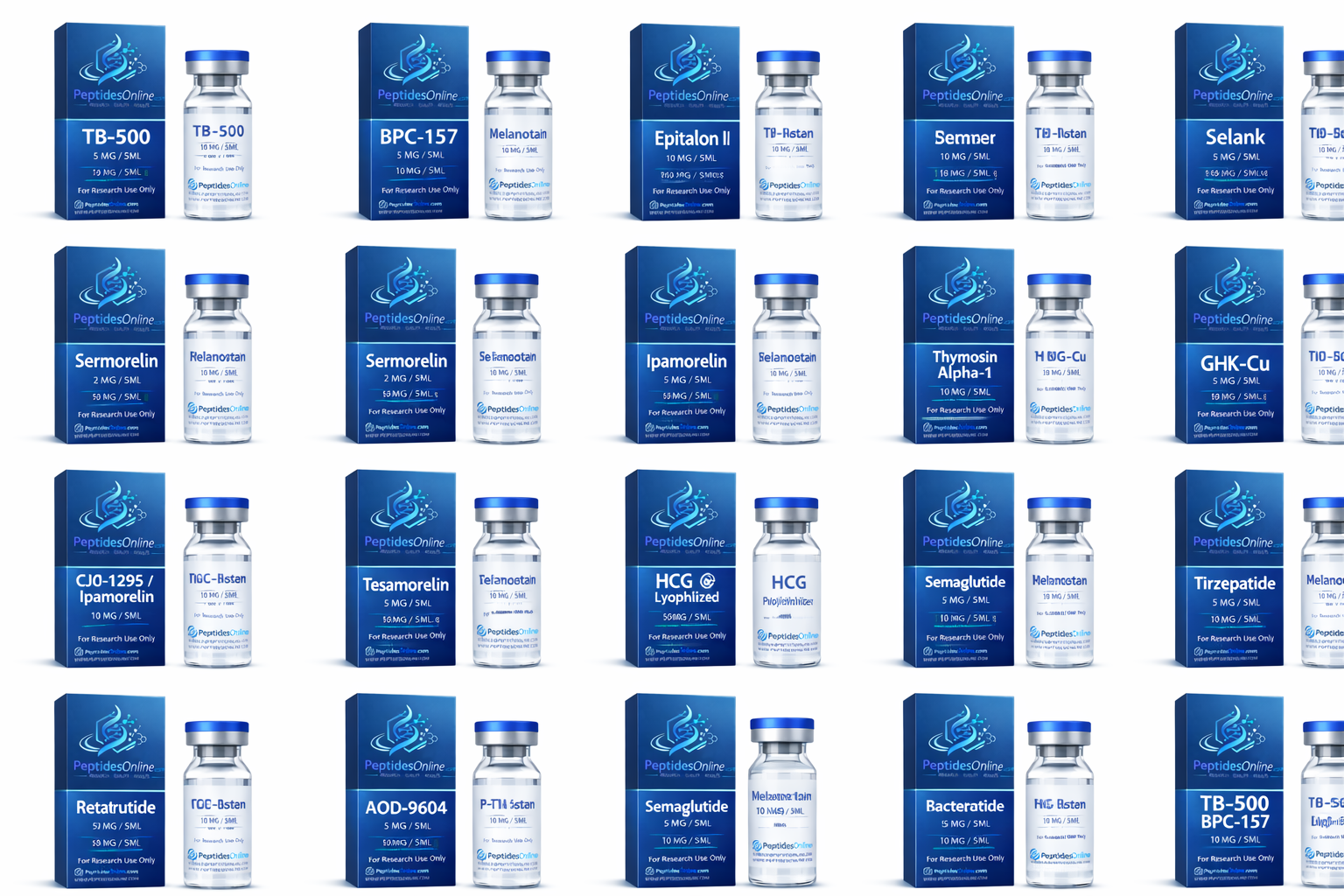
Peptides have become a major topic in recovery research, especially for studies focused on muscle repair, injury healing, and tissue regeneration. In the UK, interest in peptides continues to grow among researchers and laboratory professionals exploring faster recovery mechanisms.
In this guide, we’ll cover the best peptides for recovery, how they work, and which ones are most relevant depending on your research focus.
Recovery peptides are short chains of amino acids studied for their potential role in:
Some peptides are believed to promote angiogenesis (new blood vessel formation) and cell migration, which are key processes in healing.
BPC-157
BPC-157 is one of the most studied peptides for recovery research.
Studies (mainly in animal models) suggest BPC-157 may:
👉 Best for: targeted or localized recovery models
TB-500
TB-500 is derived from thymosin beta-4 and is associated with broader, whole-body recovery effects.
It is known to:
👉 Best for: system-wide recovery and multi-injury models
GHK-Cu
GHK-Cu is a naturally occurring copper-binding peptide studied for regenerative properties.
Research shows peptides like GHK-Cu:
👉 Best for: skin, anti-aging, and tissue regeneration studies
CJC-1295
Ipamorelin
These peptides are often studied together for their effect on growth hormone pathways.
They may:
👉 Best for: overall recovery + performance-related research
MK-677
MK-677 is studied for its ability to increase growth hormone and IGF-1 levels.
👉 Best for: long-term recovery and regeneration studies
👉 It depends on your research goal:
💡 Many research discussions highlight combining BPC-157 and TB-500 for complementary effects, as one targets localized repair while the other supports systemic healing.
Most peptides listed above:
They should only be used in controlled research environments and in compliance with applicable regulations.
The best peptide for recovery depends entirely on your research focus. While compounds like BPC-157 and TB-500 dominate recovery discussions, other peptides such as GHK-Cu and CJC-1295 also play important roles in broader regenerative research.
For comprehensive recovery studies, researchers often explore multi-peptide approaches to examine both localized and systemic healing mechanisms.