Address
304 North Cardinal
St. Dorchester Center, MA 02124
Work Hours
Monday to Friday: 7AM - 7PM
Weekend: 10AM - 5PM
Address
304 North Cardinal
St. Dorchester Center, MA 02124
Work Hours
Monday to Friday: 7AM - 7PM
Weekend: 10AM - 5PM
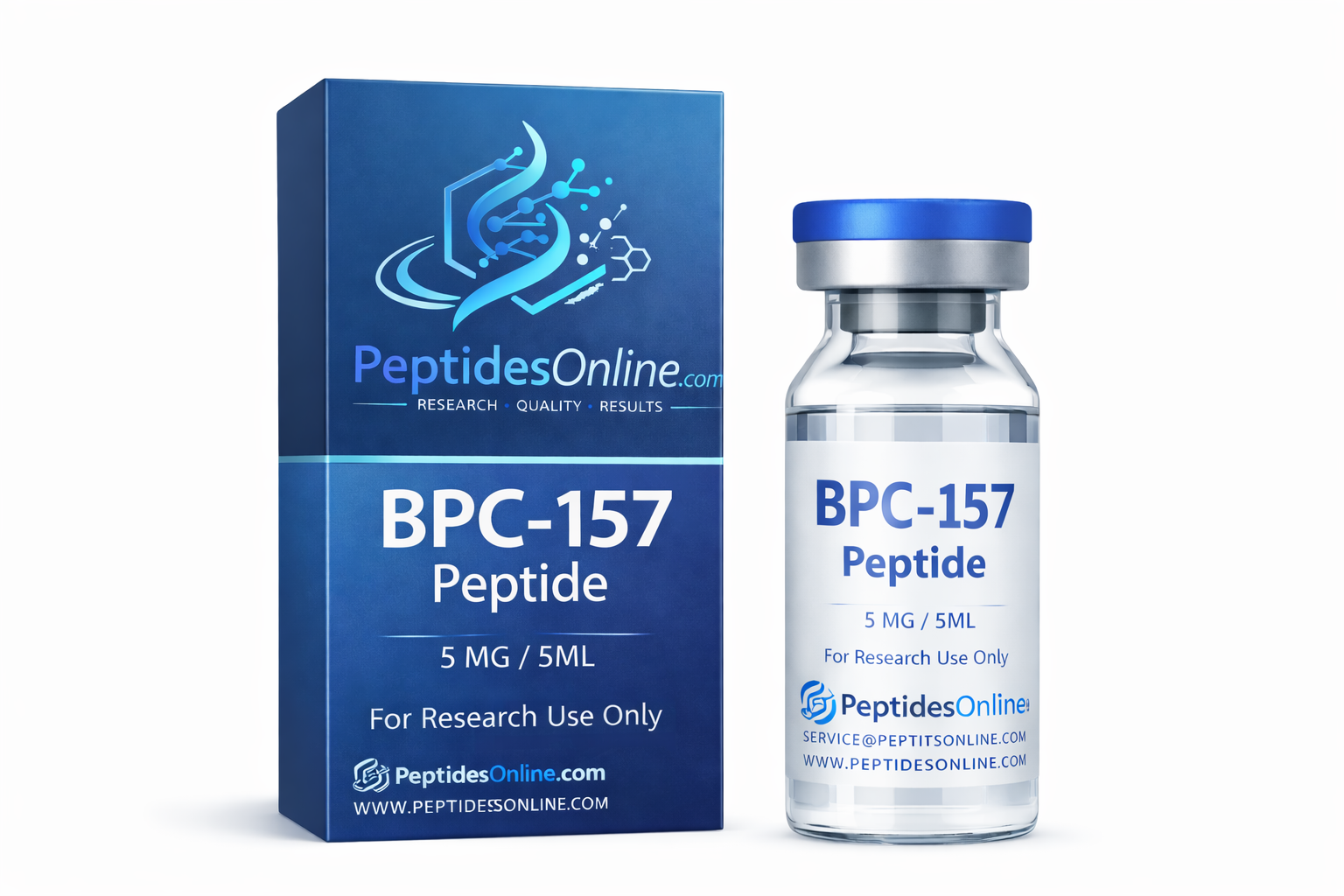
When it comes to research peptides, BPC-157 and TB-500 are two of the most widely studied compounds in the field of regenerative and recovery research. Both have gained attention for their potential roles in supporting tissue repair, but they function differently and may be suited for different research objectives.
In this guide, we break down the key differences between BPC-157 and TB-500 to help you understand which may be more appropriate depending on your research focus.
BPC-157 (Body Protection Compound-157) is a synthetic peptide derived from a protein found in gastric juice. It has been studied in laboratory settings for its potential to support:
Researchers often focus on BPC-157 for targeted or localized applications, particularly in muscle, tendon, and gut-related studies.
TB-500 is a synthetic version of a naturally occurring peptide fragment derived from thymosin beta-4. It has been investigated for its role in:
Unlike BPC-157, TB-500 is often associated with system-wide activity, meaning it may influence multiple areas rather than a single localized region.
| Feature | BPC-157 | TB-500 |
|---|---|---|
| Origin | Gastric protein derivative | Thymosin beta-4 fragment |
| Focus | Localized repair | Systemic repair |
| Research Areas | Tendons, ligaments, gut | Muscles, inflammation, recovery |
| Mechanism | Angiogenesis, cell protection | Cell migration, actin regulation |
| Action Scope | Targeted | Whole-body |
In some experimental settings, researchers explore the combined use of BPC-157 and TB-500 due to their complementary mechanisms:
This dual approach is often discussed in research communities as a way to study both targeted and whole-body recovery pathways simultaneously.
Both BPC-157 and TB-500 are research compounds and are not approved for human consumption or medical use. All studies involving these peptides should be conducted in controlled laboratory environments and in accordance with applicable regulations.
👉 There is no single “better” option — it depends entirely on your research goals:
For comprehensive research models, some investigators examine how both peptides interact when studied together.
Understanding the differences between BPC-157 and TB-500 allows researchers to make more informed decisions based on their specific objectives. While both peptides show promising characteristics in experimental environments, their distinct mechanisms make them suitable for different applications.